

Considering Cloud Computing?
Cloud computing has become more and more popular over the last several years, with that popularity continuing into 2018 and 2019. According to a report by the International Data Corporation (IDC), public cloud services will grow from nearly $70b to more than $141b in 2019.
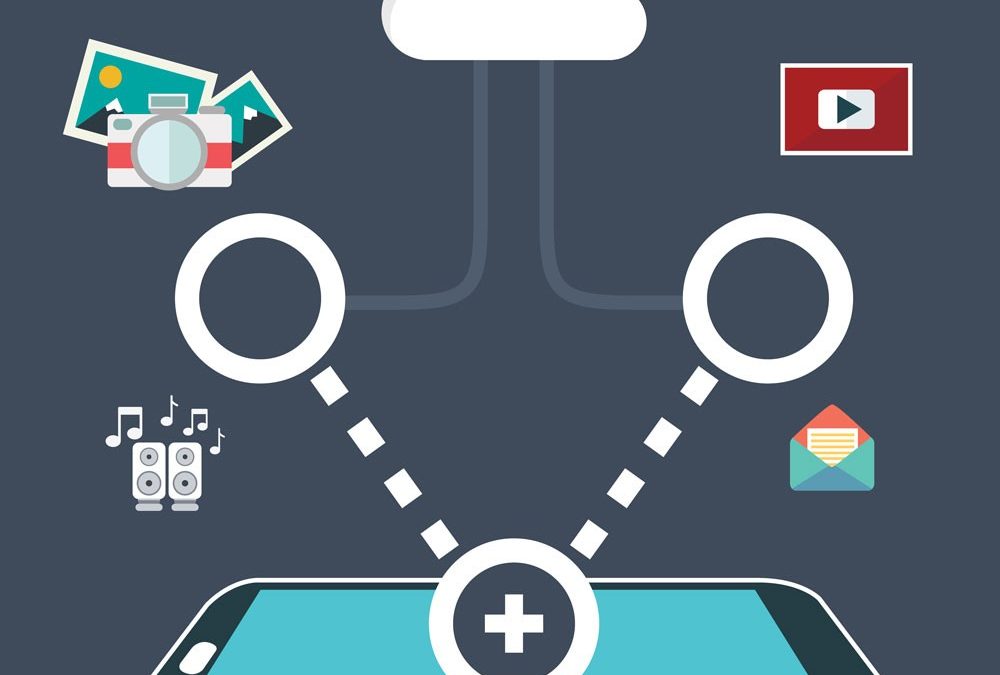
Considering Cloud Computing?
Cloud computing has become more and more popular over the last several years, with that popularity continuing into 2018 and 2019. According to a report by the International Data Corporation (IDC), public cloud services will grow from nearly $70b to more than $141b in 2019.
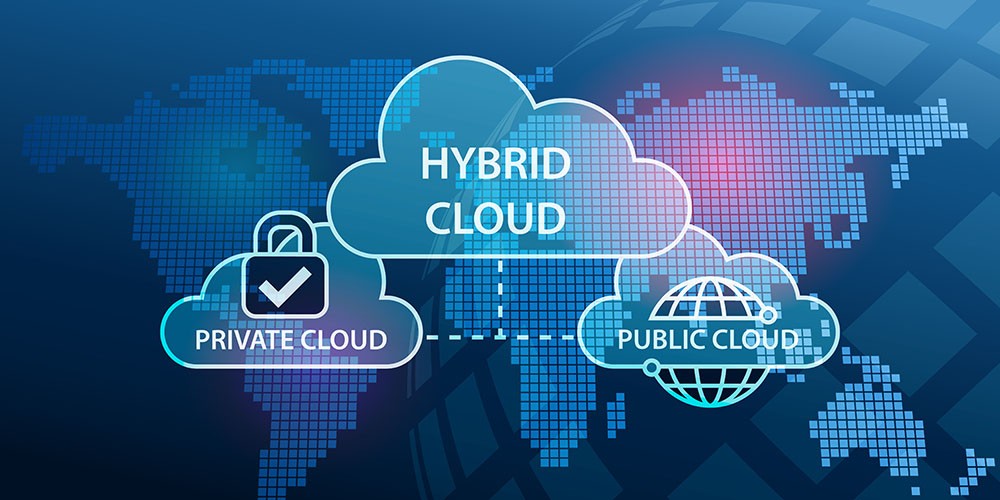
Hybrid Cloud Considerations
Cloud computing, despite varying levels of adoption, has become a common way for a business to avail itself of computing resources without having to maintain expensive infrastructure. Companies can use varying levels of resources, scaling up and down as demand and usage changes.
Creating A Culture of Security
With more data than ever being collected, analyzed, managed, and stored, keeping the data as well as the business’s systems secure is a priority leading into 2018, and beyond. According to statistics, more than 50% of cyber breaches are due to human rather than technical error. Read on to learn more about creating a culture of cybersecurity by educating and training your staff.

Creating A Culture of Security
With more data than ever being collected, analyzed, managed, and stored, keeping the data as well as the business’s systems secure is a priority leading into 2018, and beyond. According to statistics, more than 50% of cyber breaches are due to human rather than technical error. Read on to learn more about creating a culture of cybersecurity by educating and training your staff.

The Importance of Data Protection in Business Continuity and Disaster Recovery
In the last week, two earthquakes have shaken southern California, alerting us to the need to have our businesses prepared for a disaster, whether natural or manmade. Not only can fires, floods and earthquakes cause business interruptions, but so can systems failures, human error, malware and ransomware attacks.

Train Your People to Fight CyberattacksTrain Your People to Fight Cyberattacks
With the advance of technology, many benefits have come to businesses—commerce taking place twenty-four hours a day and the ability to have meetings with workers half a world away, among others—but cybercriminals have learned to exploit technology, using practices such as phishing (planting a fraudulent link in an email) to gain access to business’s data and networks.

How To Stay in Business with a Business Continuity and Disaster Recovery Plan
With technology growing by leaps and bounds, and regulations assigned to protect the data generated by this technology, you need a business continuity and disaster recovery plan in place to determine how that data is collected, protected, analyzed and stored. Read on to find out how to protect your company from data loss and its consequences.

How Stay in Business with a Business Continuity and Disaster Recovery Plan
With technology growing by leaps and bounds, and regulations assigned to protect the data generated by this technology, you need a business continuity and disaster recovery plan in place to determine how that data is collected, protected, analyzed and stored. Read on to find out how to protect your company from data loss and its consequences.

Consider Unified Communications for Your Business
Imagine being able to integrate business class phone systems, collaboration and virtual meetings and your contact call center all within a secure and reliable unified communications suite. This means you can work anywhere, get customer information instantly and route calls efficiently to communicate in real time all over the world. Increasingly, Unified Communications can integrate your office communications and help you help customers.